
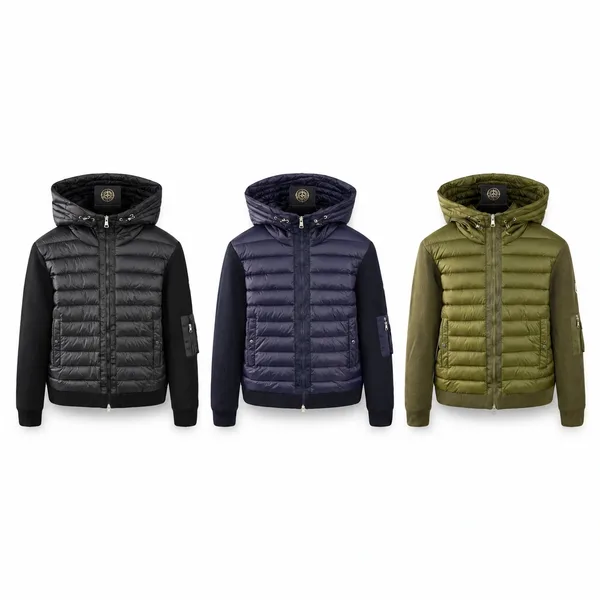
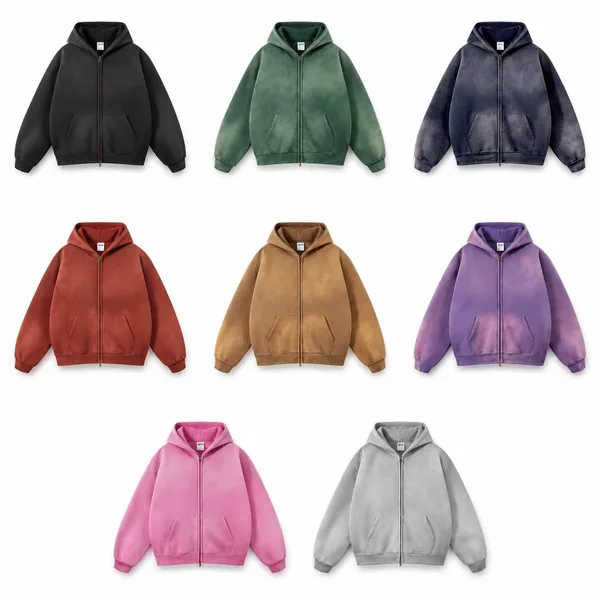
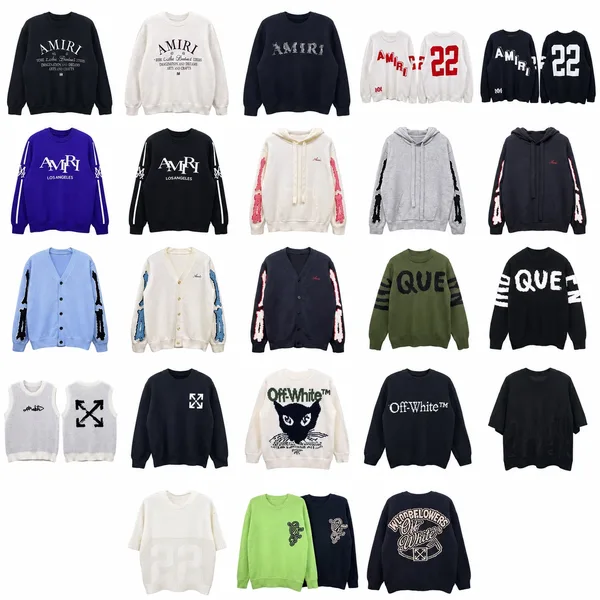
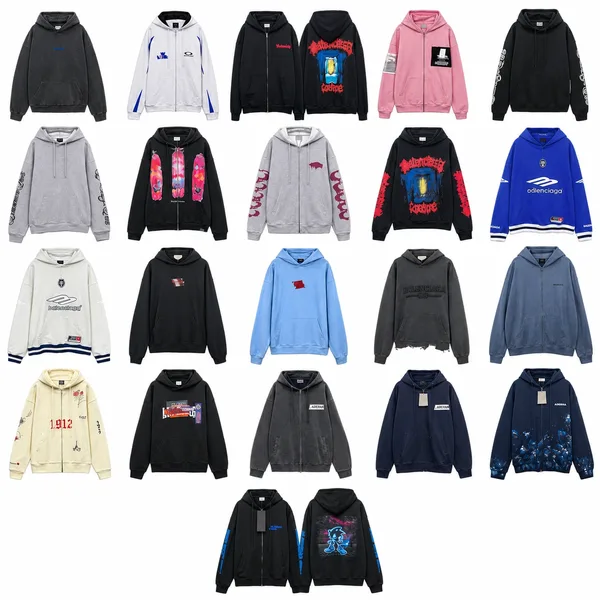
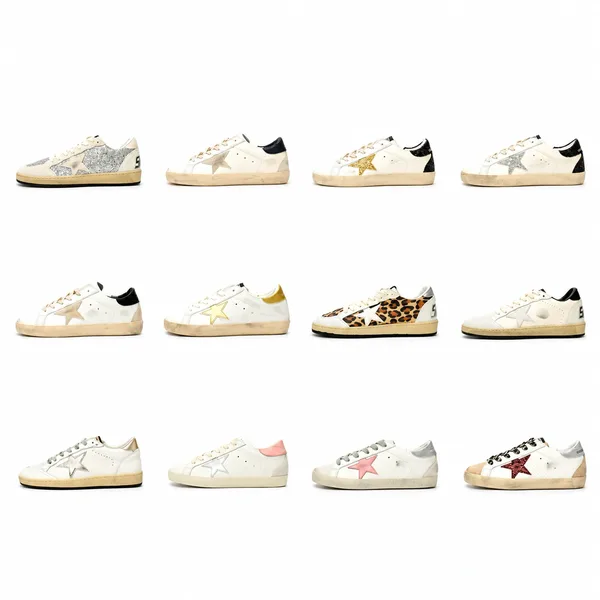
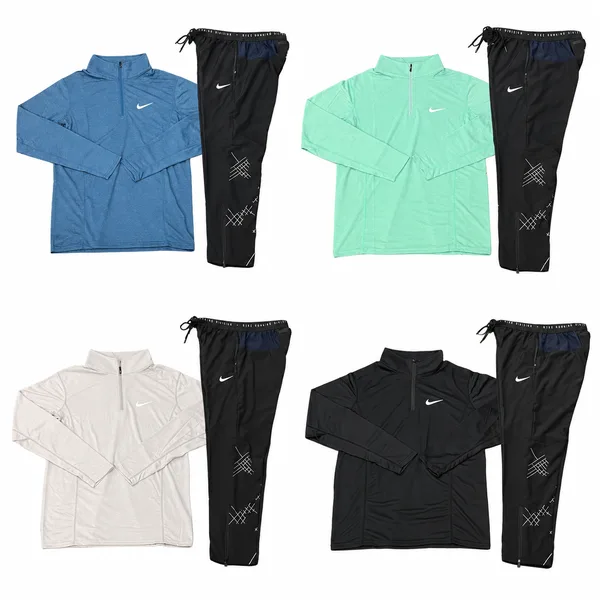
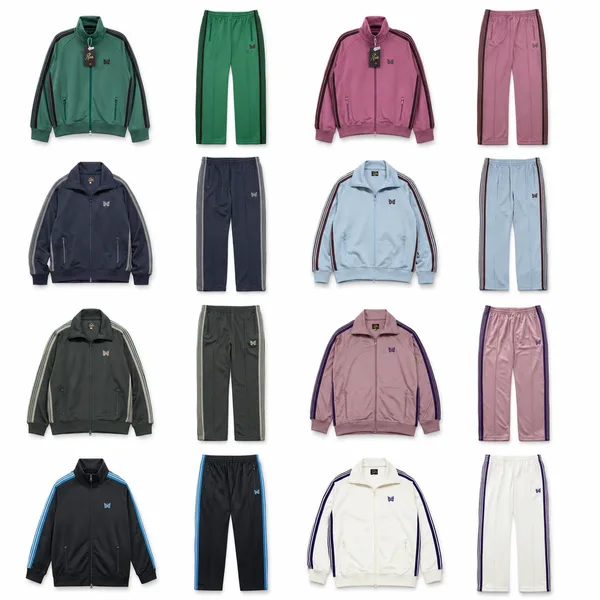
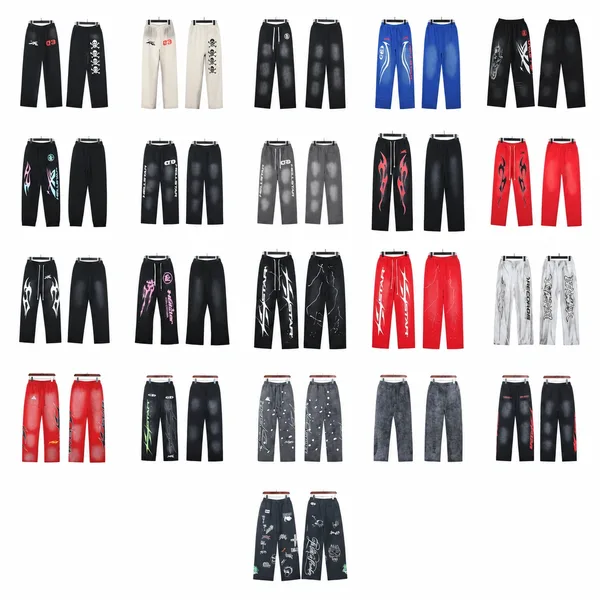
Make every find worth keeping
Start with the product you want to find. A photo works well when you know the shape but not its name. A short description such as “navy zip hoodie” helps when color and cut matter more than the brand.
Choose a category, then a reason to keep the item
For a first pass, browse T-shirts on OopBuy. Look for a specific role in your wardrobe rather than saving every design you like. You might need a plain layer, a graphic top or a different fit from something you already own. Those are different comparisons, even when every result belongs to the same category.
As a concrete starting point, open this graphic T-shirt detail page. Treat it as a candidate to inspect, not a recommendation that every size or colour is available. The destination is also not a record of an OopBuy purchase. Any eventual order needs its own selected option and confirmation.
Write one short reason for retaining a candidate. “Works under my existing jacket” is more useful than “nice.” If another saved item serves exactly the same purpose, compare them before adding both to a parcel plan.
What to check on a beanie or a crossbody bag
The blue beanie product page on OopBuy is a starting point for comparing a headwear option. Check the currently displayed description and variant details before deciding whether it meets your requirements. The link does not establish fit or availability for your order.
The floral crossbody bag product page on OopBuy offers a different kind of candidate. For a bag, check the dimensions, strap information and included parts where provided. A picture suggesting a certain capacity is not the same as measurements confirming it.
These are examples of product destinations to investigate, not items claimed to have been personally tested or declared the best. A find becomes useful when its details answer your own question, not because it appears in a list.
Give each saved link enough context
A useful entry lets you answer these questions without reconstructing an earlier browsing session:
| Keep with the link | Why it matters |
|---|---|
| Product name and destination | A copied title alone may lead to several different items. |
| Colour, size or version under consideration | Photos can illustrate an option other than the one you intend to select. |
| The detail that matters to you | Fit, dimensions or included pieces may decide between otherwise similar finds. |
| Date of a price or availability observation | Earlier browsing information is not a current offer. |
| Photograph context | A seller image, another buyer's image and your own ordered item answer different questions. |
You do not need a complicated personal tracker. A short, consistent note is enough if it preserves the decision. Keep order identifiers and account information private rather than adding them to a publicly shared collection.
The spreadsheet links guide focuses on destinations and changed pages. For a broader comparison between collections, start with OopBuy spreadsheets, then use the best OopBuy spreadsheet guide.
Compare candidates on the same question
Use a compact comparison rather than a score with unclear meaning:
| Comparison point | What to retain |
|---|---|
| Intended use | The reason this item is on the shortlist |
| Exact option | The version you are considering |
| Essential requirement | The measurement or feature that must work |
| Offer scope | What the displayed offer includes |
| Open question | What would change your decision |
If one candidate has clear dimensions and another only has a photo, they are not equally resolved choices. That does not automatically make the second product worse. It means you need a specific answer before comparing them on size.
Separate discovery photos from your QC decision
Photographs can help you decide what to investigate, but their usefulness depends on what they show. Check the item, option and context before using an image to answer a question about your own candidate. A close-up of another colour may explain placement while still failing to show the colour you intend to order.
After an actual purchase, keep any photographs supplied for that item connected to its order. Compare visible details with what you selected. Appearance alone cannot settle every question about materials, performance or authenticity.
Use the QC photos guide for inspection questions and the size guide for measurement comparisons. Those checks complement each other; a clear photo is not a substitute for the measurement you need.
Keep the shortlist separate from the parcel
A saved product does not have to become an immediate order, and an ordered item does not have to be treated as a ready-to-send parcel. Before moving forward, identify which decision you are making. The buying guide follows that sequence from selection through the later checks.
For transport planning, preserve the destination and package inputs behind any estimate. Avoid assigning a shipping example to every item in your list or assuming that the cheapest displayed product makes the cheapest delivered purchase. The shipping guide explains how to keep that comparison tied to a particular parcel rather than a browsing thumbnail.
If you remove a candidate, retain only the note that helps you avoid repeating the same unsuitable choice. A growing list of rejected links should not obscure the items you are still considering.
Use the shipping calculator guide when you know which items will travel together.
Reading an OopBuy sheet without mixing its columns
Before filtering a collection, establish what each field means. A price might describe a particular option rather than every version in the row. A photo column might contain an offer image rather than a buyer's QC picture. An update label might refer to the collection rather than the last check of that product. Those distinctions affect what a comparison can tell you.
Use a blank field as a question to investigate, not as a zero or a favourable answer. If one row has no recorded shipping amount, that does not make shipping free. If a QC field is empty, it does not tell you whether photos exist elsewhere. Keep the missing detail attached to the candidate until you resolve it or choose not to proceed.
When sorting by amount, first ensure that currency, option and included quantity are comparable. Sorting unlike amounts can put an unsuitable candidate at the top. After filtering, reopen the few entries that remain rather than assuming the filter has verified their current details.
Comparing several OopBuy spreadsheets
Use the same shopping question in each collection. If you look for a particular fit in one and browse purely by appearance in another, the result says little about which collection helps with your original need. Choose a few relevant entries and compare how clearly each collection connects an item to its option and destination.
Do not count repeated entries as new choices until you have checked them. Different pictures may lead to the same product; a repeated product may also be useful if the rows clearly explain different options. Preserve that distinction when making your own shortlist instead of simply adding the row totals together.
An older collection can still help identify a design, but its destination and observed amounts need fresh checks. A newer title alone does not establish that every entry has been updated. The archive guide explains how to keep useful older context without presenting it as a current offer.
When a spreadsheet entry changes
A new edition can reorder categories without changing any listings. Reopen the exact color, size and quantity before buying. For a graphic T-shirt, compare the size chart against a shirt you wear and use the T-shirt guide if the listing uses different measurements. Our spreadsheet review covers how to judge a collection, and the safety guide covers checks before payment.
Common questions
Is a spreadsheet an order record?
No. A discovery list helps you compare candidates. Your actual purchase record must preserve what was selected and what the transaction confirmed.
Should I choose the collection with the most links?
Not on quantity alone. Check whether the entries relevant to your needs have usable destinations, clear options and enough context to support a comparison.
Can I use another buyer's QC photos?
They may help you formulate questions when the item and option match. They do not establish what your own order contains or how it will arrive.
What is the quickest useful first step?
Choose one category, retain a few relevant items and note the exact option and one unresolved question for each. Resolve those questions before expanding the shortlist.
Language sections
The Spanish collection connects product comparisons, links, buying steps and ways to evaluate reviews and account actions.
Continue with the German section, Austrian German section, Swedish section, Slovak section or Czech section to keep the same spreadsheet workflow in another language.
Work through a realistic comparison
Imagine Collection A has many attractive shirt thumbnails but several entries lead to generic results. Collection B has fewer relevant shirts, yet its entries make the item and option easier to identify. For the task of choosing one specific shirt, B may save more useful effort even though A offers more browsing inspiration.
Now suppose B's size information is unclear. That does not make A the winner by default. Neither collection has yet answered the fit question. Open the actual product information and use the size guide to determine what needs comparing.
This example is hypothetical, not a test result for named collections. Its lesson is to separate a useful feature from an overall verdict. A list can be good at discovery while leaving an essential purchase decision unresolved.
Resolve conflicting rows without choosing the more attractive number
Suppose two collections show the same photograph but different prices. First open both destinations and inspect the selected options and quantities. One may describe a single top while another opens on a different piece or size. If the options match, the observation dates or offer conditions may still differ. Keep the difference visible until you can explain it.
Do not average conflicting measurements. In a hypothetical example, one row lists a top as 68 cm long and another as 72 cm. Different sizes or measuring endpoints could explain the difference; averaging them to 70 cm would invent a measurement for neither item. Ask for the dimension attached to your intended option.
The spreadsheet-links guide covers changed destinations. Preserve the old reference if you need its history, but evaluate a replacement as a new candidate.